6 Key Components of Shannon-Weaver Model
Explore the Shannon-Weaver Model: its components, applications in mass media, strengths, limitations, and relevance in the digital age for UGC-NET aspirants.
Explore Lasswell’s Model of Communication: its components, applications in media, its strengths and limitations, and relevance in the digital age.
Normative Theories UGC NET Previous Year Question Paper Question: Mass media legitimize the audience’s: A. Family relations B. Power structure C. Political connections D. Prestige and status The question primarily focuses on three key theories in mass communication: Agenda-setting, Priming, and Framing. These theories fall under Unit 1, Section 10 of the syllabus: “Models and
3 Key Normative Theories: Agenda-Setting, Priming, and Framing Read More »
UGC NET Previous Year Question Paper Question: Cultivation analysis is a: A. Hierarchal perspective B. Political perspective C. Non-creative perspective D. Stalagmite perspective This question relates to Section 10 of the syllabus: “Models and Theories of Mass Communication.” Answer: D. Stalagmite perspective The other options are not correct: A. Hierarchal perspective – This is not
UGC NET Previous Year Question Paper Question: In the mediated world, a temporary and incomplete consensus is called: A. Publicity B. Public opinion C. Public relations D. Propaganda This question falls under Section 10: Models and Theories of Mass Communication in Unit 1: Introduction to Journalism and Mass Communication. Specifically, it relates to concepts of
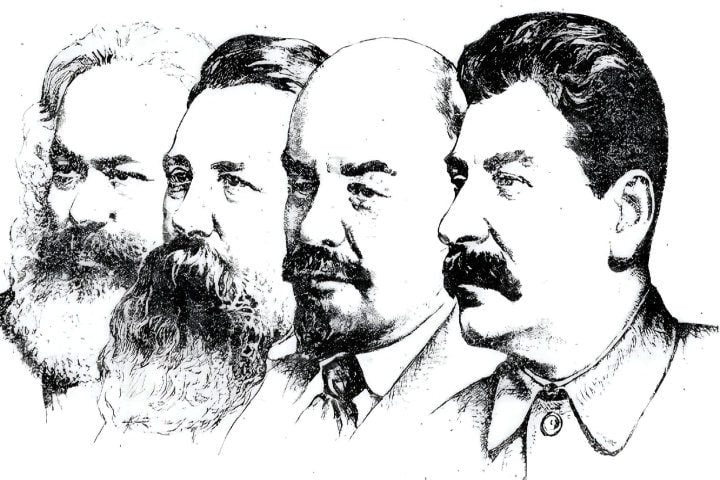
Influential Marxist Literature UGC NET Previous Year Question Paper Question: The newspaper ‘Iskra’ belongs to: A. Japan B. North Korea C. The Philippines D. Russia Answer: D. Russia Russian Marxists published the revolutionary newspaper “Iskra” (which translates to “Spark” in English) between 1900 and 1905. It was crucial in developing the Russian Social Democratic Labor
10 Revolutionary Marxist Literature That Changed History Read More »
In today’s interconnected world, where the lines between our digital and physical lives are increasingly blurred, understanding and practicing proper online etiquette, or “netiquettes,” has become more crucial than ever. As we are increasingly getting accustomed to the internet, from social media platforms to professional email communications, following these unwritten rules of online behavior ensures
Netiquettes: 3 Important Online Etiquette in the Digital Age Read More »
Cyber crime has emerged as a new breed of criminal activity in our interconnected world, where technology plays a significant role in our lives. This digital menace poses a significant threat to individuals, businesses, and even nations. It is important to have a good understanding of the different types of cyber crime, their effects, and
4 Types of Cyber Crime in India: The Dark Side of the Digital Age Read More »
The ASCI Code: Guiding Ethical Advertising in India In today’s media-saturated world, advertising plays a crucial role in shaping consumer perceptions and influencing purchasing decisions. However, with great power comes great responsibility. This is where the Advertising Standards Council of India (ASCI) and its Code for Self-Regulation in Advertising step in, ensuring that advertisements in
4 Essential ASCI Code of Conduct for Ethical Advertising Read More »
Role of Media in Democracy The “Role of Media in Democracy” is a frequently asked topic in the social media section of the CUET UG entrance exam. This article breaks down key concepts, examples, and quick revision points to help you prepare effectively! Key Definitions Democracy: A political system where people choose their leaders and