
Uses and Gratifications Theory

5 Key Concepts of Uses and Gratifications Theory Explained

Uses and Gratifications Theory Elihu Katz, Jay Blumler, and Michael Gurevitch created the Uses and Gratifications Theory in the 1970s, representing a significant shift in media effects research. Unlike earlier theories that focused on what media do to people, this theory examines what people do with media. For UGC-NET aspirants in mass communication and journalism, […]

5 Key Concepts of Uses and Gratifications Theory Explained Read More »

Diffusion of Innovations

From Paytm to Netflix: 6 Diffusion of Innovations in Digital India Explained

Diffusion of Innovations Theory Everett Rogers created the Diffusion of Innovations theory in 1962, which serves as a crucial framework in communication studies for explaining how, why, and how quickly new ideas and technologies spread across cultures. For UGC-NET aspirants in the field of mass communication and journalism, understanding this theory is crucial, as it

From Paytm to Netflix: 6 Diffusion of Innovations in Digital India Explained Read More »

Two-Step Flow Theory

5 Key Components of Two-Step Flow Theory

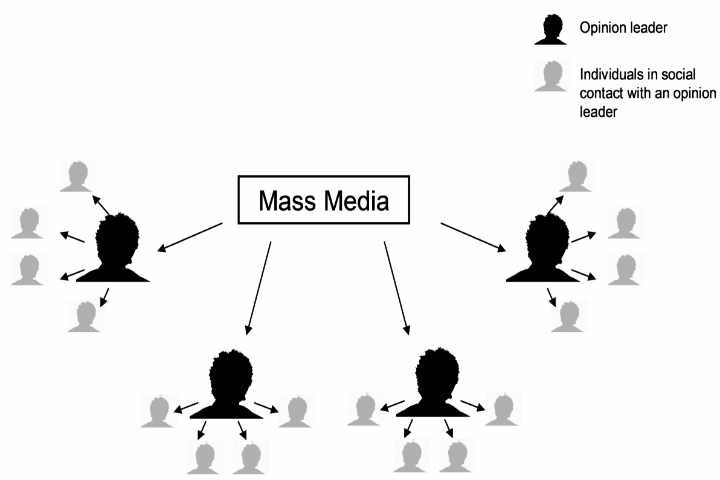
Two-Step Flow Theory The Two-Step Flow Theory is a significant model in mass communication theories that questions previous ideas about direct media effects. In the 1940s, Paul Lazarsfeld, Bernard Berelson, and Hazel Gaudet created it based on their research on voter behavior during the 1940 U.S. presidential election. UGC-NET aspirants in mass communication and journalism must learn this theory, as

5 Key Components of Two-Step Flow Theory Read More »

Normative Theories

3 Key Normative Theories: Agenda-Setting, Priming, and Framing

Normative Theories UGC NET Previous Year Question Paper Question: Mass media legitimize the audience’s: A. Family relations B. Power structure C. Political connections D. Prestige and status The question primarily focuses on three key theories in mass communication: Agenda-setting, Priming, and Framing. These theories fall under Unit 1, Section 10 of the syllabus: “Models and

3 Key Normative Theories: Agenda-Setting, Priming, and Framing Read More »

5 Fascinating Insights from Cultivation Theory

UGC NET Previous Year Question Paper Question: Cultivation analysis is a: A.    Hierarchal perspective B.    Political perspective C.    Non-creative perspective D.    Stalagmite perspective This question relates to Section 10 of the syllabus: “Models and Theories of Mass Communication.” Answer: D. Stalagmite perspective The other options are not correct: A. Hierarchal perspective – This is not

5 Fascinating Insights from Cultivation Theory Read More »

public opinion and democracy

Public Opinion and Democracy

UGC NET Previous Year Question Paper Question: In the mediated world, a temporary and incomplete consensus is called: A. Publicity B. Public opinion C. Public relations D. Propaganda This question falls under Section 10: Models and Theories of Mass Communication in Unit 1: Introduction to Journalism and Mass Communication. Specifically, it relates to concepts of

Public Opinion and Democracy Read More »

Marxist Literature

10 Revolutionary Marxist Literature That Changed History

Influential Marxist Literature UGC NET Previous Year Question Paper Question: The newspaper ‘Iskra’ belongs to: A. Japan B. North Korea C. The Philippines D. Russia Answer: D. Russia Russian Marxists published the revolutionary newspaper “Iskra” (which translates to “Spark” in English) between 1900 and 1905. It was crucial in developing the Russian Social Democratic Labor

10 Revolutionary Marxist Literature That Changed History Read More »

Scroll to Top