Introduction to Journalism and Mass Communication

Prepare for UGC NET 2026 with comprehensive resources on an introduction to journalism and mass communication. Ace the entrance exam with expert-guided educational content.

agenda-setting theory

6 Key Concepts of Agenda-Setting Theory

Agenda-Setting Theory A key idea in mass communication research that examines the connection between media coverage and public perception of issues is the Agenda-Setting Theory, which Maxwell McCombs and Donald Shaw developed in 1972. Understanding this theory is crucial for UGC-NET aspirants in mass communication and journalism, as it provides insights into the power of […]

6 Key Concepts of Agenda-Setting Theory Read More »

Uses and Gratifications Theory

5 Key Concepts of Uses and Gratifications Theory Explained

Uses and Gratifications Theory Elihu Katz, Jay Blumler, and Michael Gurevitch created the Uses and Gratifications Theory in the 1970s, representing a significant shift in media effects research. Unlike earlier theories that focused on what media do to people, this theory examines what people do with media. For UGC-NET aspirants in mass communication and journalism,

5 Key Concepts of Uses and Gratifications Theory Explained Read More »

Diffusion of Innovations

From Paytm to Netflix: 6 Diffusion of Innovations in Digital India Explained

Diffusion of Innovations Theory Everett Rogers created the Diffusion of Innovations theory in 1962, which serves as a crucial framework in communication studies for explaining how, why, and how quickly new ideas and technologies spread across cultures. For UGC-NET aspirants in the field of mass communication and journalism, understanding this theory is crucial, as it

From Paytm to Netflix: 6 Diffusion of Innovations in Digital India Explained Read More »

Wilbur Schramm model of communication

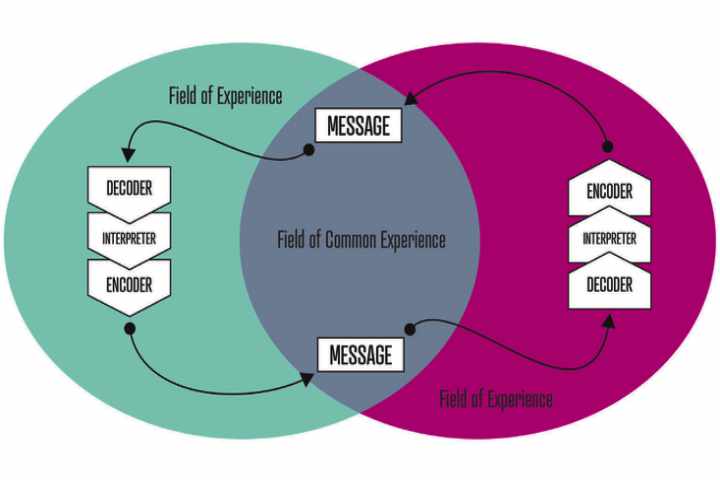
8 Key Components of Wilbur Schramm Model of Communication

Wilbur Schramm Model of Communication Wilbur Schramm’s model in communication theory has evolved significantly from earlier linear models. The Schramm’s Model, developed in 1954, emphasizes the circular nature of communication and introduces the concept of feedback, making it a more dynamic and interactive representation of the communication process. This model offers valuable insights into the

8 Key Components of Wilbur Schramm Model of Communication Read More »

Two-Step Flow Theory

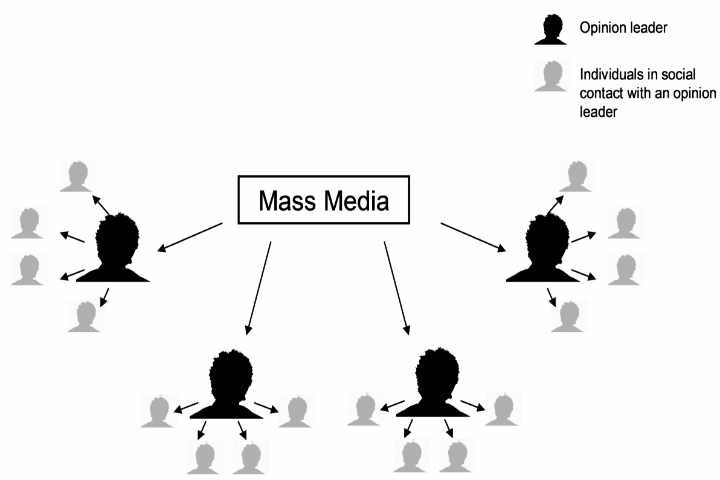
5 Key Components of Two-Step Flow Theory

Two-Step Flow Theory The Two-Step Flow Theory is a significant model in mass communication theories that questions previous ideas about direct media effects. In the 1940s, Paul Lazarsfeld, Bernard Berelson, and Hazel Gaudet created it based on their research on voter behavior during the 1940 U.S. presidential election. UGC-NET aspirants in mass communication and journalism must learn this theory, as

5 Key Components of Two-Step Flow Theory Read More »

Scroll to Top